Overview
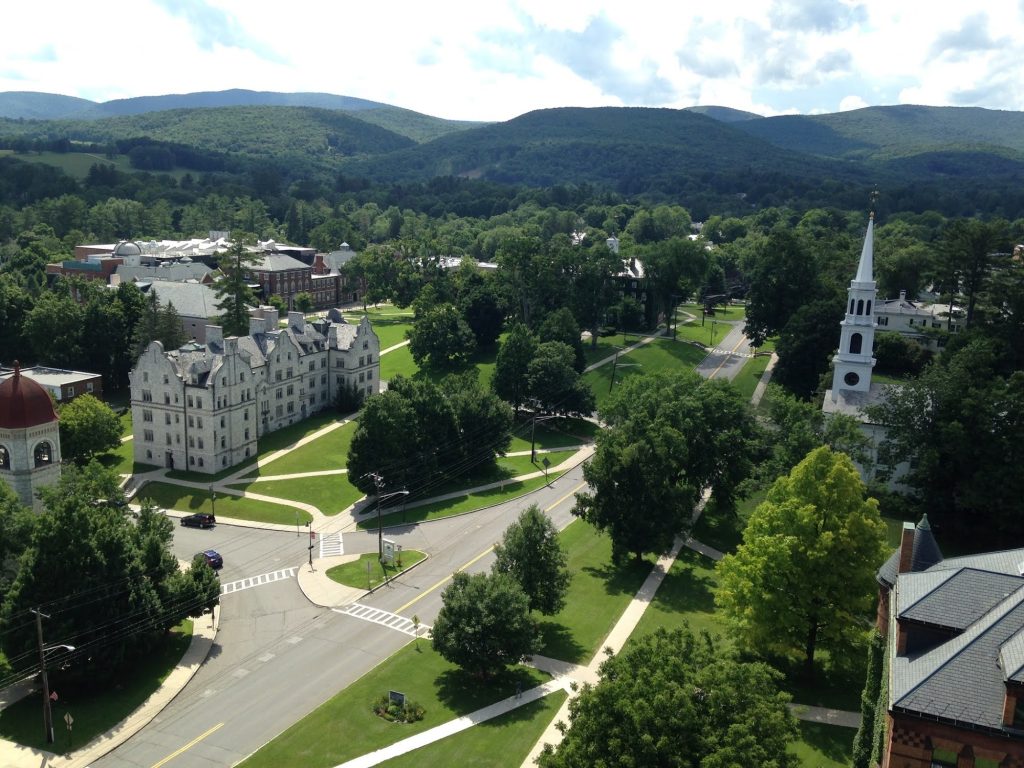
Nestled among mountains, farmland, and forests, Williamstown, Massachusetts is a welcoming New England town known for its historic character, vibrant cultural institutions, and exceptional outdoor recreation. An inspiring place to live and visit, Williamstown offers excellent schools, tree-lined streets, a walkable downtown with shops and restaurants, renowned art and history museums, and scenic hikes, walks, and drives.
Residents demonstrate a strong spirit of volunteerism and community engagement, taking pride in helping neighbors, preserving open spaces, and cultivating new opportunities. Williamstown is a designated Green Community and has adopted a Climate Action Plan with a goal of achieving net-zero greenhouse gas emissions by 2050. Learn more about Williamstown’s green initiatives from the COOL Committee.
History
Williamstown occupies the ancestral homelands of the Muhheconeew (Mohican) Nation, today known as the Stockbridge-Munsee Community, a sovereign Tribal Nation based in Wisconsin. To learn more visit Williamstown Historical Museum and Stockbridge-Munsee Community websites.
Originally called West Hoosuck, the town was incorporated in 1765 and was renamed for Colonel Ephraim Williams, whose bequest established a free school that later became Williams College.
Prior to the Industrial Revolution, the local economy centered on dairy farming, sheep herding, wool production, small mills, and general stores. The arrival of the railroad brought expanded textile and twine manufacturing, as well as tourism, helping to shape the town’s development into the 19th century.
Culture
Williamstown blends small-town charm with world-class arts and intellectual life influenced by Williams College. The Clark Art Institute, the Williams College Museum of Art, Images Cinema, and the Williamstown Theatre Festival contribute to a vibrant cultural scene.
The town’s year-round and student populations total just over 7,000 residents. Williamstown is the most diverse community in Berkshire County, with more than 20 percent of residents identifying as Black, Indigenous, or People of Color (BIPOC).
Geography
The town’s almost 50 square miles of rolling hills and ancient mountains rests in the northwest corner of the scenic Berkshires and shares borders with New York and Vermont. Steep wooded hillsides, river valleys, open fields, and vistas surround the village center, historic neighborhoods, and Williams College.
The town lies in the fertile valley of the Hoosic and Green Rivers and is framed by Mount Greylock to the south and east, the Green Mountains to the north, and the Taconic Range to the west. Residents and visitors enjoy abundant opportunities for hiking, biking, fishing, and outdoor exploration. The Hoosic River and the Mohican Trail Shared Use Path form a scenic in-town greenway running east to west through Williamstown.